
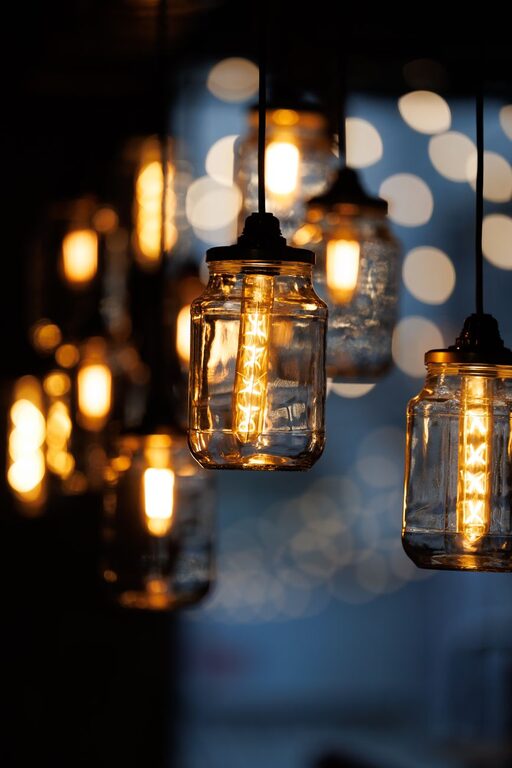
Creating a comfortable and inviting atmosphere in your home depends on many factors, and lighting is one of the most important. The right lighting can enhance your mood, improve productivity, and make your space more functional and beautiful. However, choosing comfortable home lighting is not always straightforward given the variety of options available.
In this post, we’ll explore practical tips to help you select lighting that feels just right for your home.
Understanding the Basics of Home Lighting
Before diving into specific tips, it helps to understand the three main types of lighting used in homes:
– Ambient Lighting: The general, overall lighting in a room. It provides uniform illumination so you can move around safely.
– Task Lighting: Focused lighting for specific activities like reading, cooking, or working.
– Accent Lighting: Used to highlight objects or architectural details, adding depth and visual interest.
A well-lit home balances these lighting types to create both comfort and style.
Consider the Purpose of Each Room
Different rooms serve different functions, and your lighting should reflect that.
Living Room
In the living room, comfort and flexibility are key. Use multiple light sources like ceiling lights, floor lamps, and table lamps to adjust lighting based on activities such as reading, watching TV, or socializing.
Kitchen
Task lighting is critical here. Bright, focused lighting over counters, the stove, and the sink improves safety and efficiency. Under-cabinet lights are a popular choice.
Bedroom
Opt for soft, warm lighting that promotes relaxation. Avoid harsh overhead lights and use bedside lamps or dimmable fixtures to create a calm atmosphere.
Bathroom
Choose bright, shadow-free lighting around mirrors for grooming tasks. Consider moisture-resistant fixtures designed for bathroom environments.
Choose the Right Color Temperature
Color temperature is measured in Kelvins (K) and influences how warm or cool the light appears.
– Warm Light (2700K–3000K): Emits a soft, yellowish glow, creating a cozy feel. Ideal for living rooms and bedrooms.
– Neutral Light (3500K–4100K): Produces a balanced white light. Good for kitchens and bathrooms.
– Cool Light (5000K–6500K): Mimics daylight, often used in workspaces or reading areas.
Most people find warm to neutral color temperatures more comfortable for home settings.
Use Dimmable Lights for Flexibility
Installing dimmable bulbs and compatible switches lets you adjust light levels based on the time of day or activity. For example, dimming the lights during evening hours can help you wind down, while brighter light supports focused tasks during the day.
Pay Attention to Bulb Type and Quality
Your choice of bulbs affects comfort, energy use, and longevity.
– LED Bulbs: Energy-efficient, long-lasting, and available in various color temperatures. They are often the best all-around choice.
– Incandescent Bulbs: Provide warm light but use more energy and have shorter lifespans.
– Compact Fluorescent Lamps (CFLs): Energy-efficient but may take time to reach full brightness.
Look for bulbs with a high Color Rendering Index (CRI) of 80 or above to ensure colors appear natural under the light.
Layer Your Lighting
Combining different lighting types and sources creates depth and minimizes harsh shadows.
– Start with ambient lighting as the base.
– Add task lighting where necessary.
– Finish with accent lighting to highlight artwork or architectural features.
This layering approach offers control and balance.
Consider the Fixture Style and Placement
The design and placement of fixtures influence both functionality and aesthetics.
– Choose fixtures that complement your decor style.
– Position ceiling lights to distribute light evenly.
– Use adjustable lamps or track lighting to direct light exactly where you need it.
Avoid placing bright lights directly in your line of sight to reduce glare.
Maximize Natural Light
Natural daylight is the most comfortable and healthiest light source. Use curtains or blinds that allow you to control sunlight without blocking it out completely. Position seating and work areas near windows to take advantage of natural light during the day.
Think About Light Control Options
Modern homes benefit from smart lighting controls:
– Timers and Sensors: Automatically turn lights on or off, saving energy.
– Smart Bulbs: Allow control via smartphone apps or voice commands.
– Multiple Switches: Control lighting zones separately for convenience.
These options add ease and customization, improving overall comfort.
Test Your Lighting Choices
Before finalizing your selection, test different bulbs and fixture placements if possible. Many stores offer bulbs to take home or have display areas to help you visualize the effect. Lighting can look very different in natural daylight versus at night or under different furniture and wall colors.
Conclusion
Choosing comfortable home lighting involves a thoughtful balance of function, style, and personal preference. Prioritize warm color temperatures, layered lighting, and flexibility through dimmers or smart controls. Tailor lighting to the purpose of each room, and don’t forget the benefits of natural daylight.
With these tips, you can create a home that feels inviting, practical, and beautifully illuminated every day.