
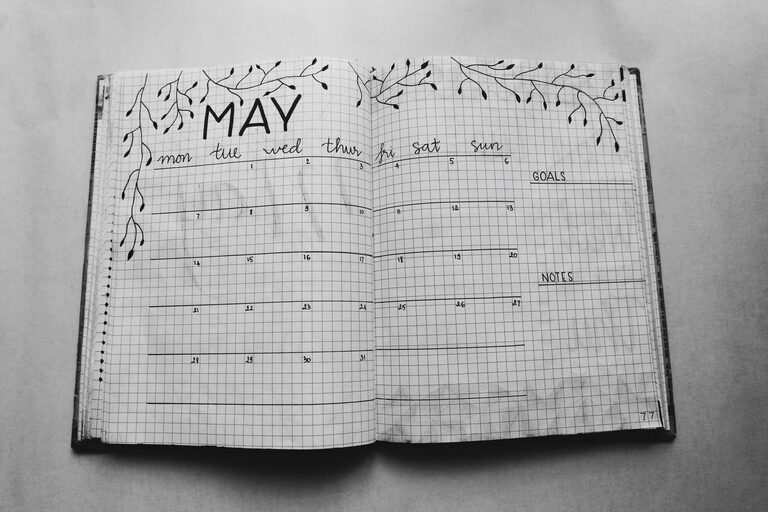
Journaling is a simple yet powerful way to enhance your mental clarity, track personal growth, and manage stress. If you’re new to the idea, starting a daily journaling habit might seem challenging. This beginner guide will walk you through everything you need to know to make journaling a rewarding part of your everyday routine.
Why Journal Every Day?
Journaling daily offers many benefits beyond just putting pen to paper:
– Improves mental clarity: Writing your thoughts helps organize your mind, making it easier to focus on priorities.
– Boosts creativity: Regular writing sparks ideas and provides a safe space to explore creative thoughts without judgment.
– Supports emotional well-being: Journaling offers an outlet to express feelings, reduce stress, and gain perspective on problems.
– Builds mindfulness: Reflecting on your day encourages awareness and gratitude.
– Tracks progress: Recording goals and achievements helps you stay motivated.
Choosing Your Journaling Tools
Starting with the right tools can make journaling more enjoyable.
Pen and Paper vs. Digital Journals
– Pen and Paper: Many prefer the tactile feel of writing by hand, which can increase memory retention and focus.
– Digital Journals: Apps and typing offer convenience, easy editing, and the ability to add photos or voice notes.
Choose whatever feels most comfortable for you. You don’t need fancy notebooks or expensive pens—a simple notebook and basic pen will do.
Finding Time to Journal Daily
Consistency is key, but you don’t need hours each day. Aim for 5 to 15 minutes.
Tips to Make Journaling a Habit
– Pick a regular time: Morning, lunch break, or before bed are common times people journal.
– Set reminders: Use phone alarms or sticky notes as prompts.
– Create a cozy space: Find a quiet spot that makes you feel relaxed and focused.
– Start small: Even one or two sentences count as journaling.
What to Write About: Simple Prompts for Beginners
Don’t worry about what to write—there are many easy ways to get started.
Daily Reflection Prompts
– What am I grateful for today?
– What did I accomplish?
– How do I feel right now?
– What challenges did I face and how did I handle them?
– What is one thing I want to improve tomorrow?
Creative and Goal-Oriented Prompts
– Describe a favorite memory.
– Write about a dream or goal.
– List things that inspire you.
– Brainstorm solutions to a problem.
Free Writing
If prompts don’t suit you, just write whatever comes to mind. Don’t worry about spelling or grammar—this is for your eyes only.
Tips for Successful Daily Journaling
– Be honest: Your journal is private, so write truthfully.
– Don’t overthink: The goal is expression, not perfection.
– Mix it up: Use different prompts or styles to keep it interesting.
– Review occasionally: Look back at old entries to see your progress and patterns.
– Forgive yourself: If you miss a day, don’t give up. Just start fresh the next day.
Journaling Beyond Words
Consider adding drawings, doodles, or even pasting in photos and mementos. Mixing media can make journaling more fun and personal.
Final Thoughts
Starting a daily journaling habit is a rewarding way to enhance your life. It only takes a few minutes and can provide significant mental and emotional benefits. Remember, there’s no “right” way to journal—what matters most is that it supports your goals and feels meaningful to you.
Give it a try today, and enjoy the journey of self-discovery and mindfulness that journaling offers.